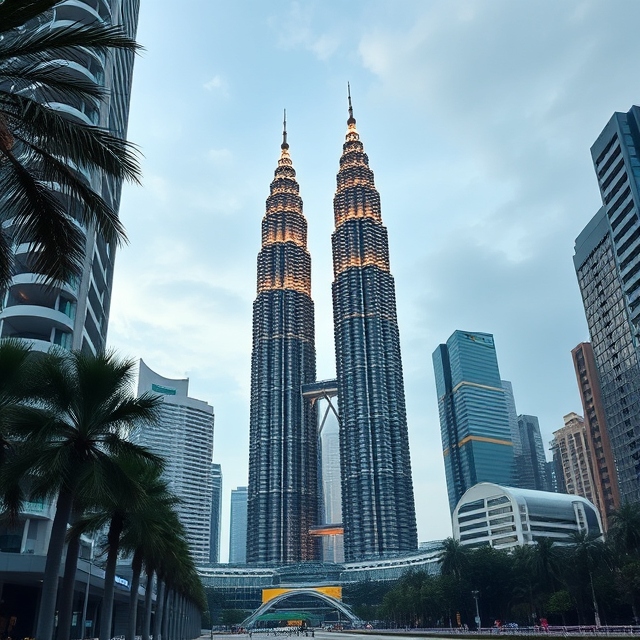

2025 Property Outlook article in Malaysia
The outlook for Malaysia's property market in 2025 indicates a transformative period, particularly in key urban areas such as Kuala Lumpur, Johor Bahru, Ipoh, and Penang. The anticipated growth is driven by several factors including economic recovery, urbanization, and strategic investments.
General Market Trends
Economic Recovery: Malaysia's property market is expected to benefit from a post-pandemic economic recovery, which is gaining momentum. This recovery is likely to boost consumer confidence and demand for residential properties, especially in urban centers where job opportunities are concentrated.
Urbanization: The trend of urban migration continues to influence property demand. More Malaysians and expatriates are moving to cities like Kuala Lumpur and Johor Bahru for better living standards, which is expected to sustain demand for mid-range and high-end properties.
Foreign Investment: The property market remains attractive to foreign investors due to favorable exchange rates and Malaysia's strategic location in Southeast Asia. This trend is likely to persist into 2025, with a focus on both residential and industrial properties.
Regional Highlights
Kuala Lumpur
Mixed-Use Developments: The capital city is set to see a rise in mixed-use integrated townships that combine residential, commercial, and recreational spaces. These developments provide residents with convenient access to essential services and amenities.
Infrastructure Projects: Ongoing infrastructure projects like the Mass Rapid Transit (MRT) expansions are expected to enhance connectivity and increase property values in surrounding areas.
Johor Bahru
Strategic Infrastructure: Projects such as the Johor Autonomous Rapid Transit are anticipated to rejuvenate previously overlooked areas, unlocking new investment opportunities.
Industrial Growth: The region's industrial property sector is expected to grow, driven by demand for data centers and logistics facilities.
Ipoh
Affordable Housing Focus: Ipoh is likely to benefit from government initiatives aimed at increasing the supply of affordable housing. This aligns with the broader national strategy to support first-time homebuyers.
Penang
Tourism Recovery: As tourism rebounds, Penang may see increased demand for vacation homes and rental properties, further supporting price growth in this region.
Affordable Housing Initiatives: Developers are focusing on projects that cater to lower-income groups, enhancing housing accessibility for the B40 and M40 income segments.
Challenges Ahead
Despite the optimistic outlook, several challenges remain:
Oversupply Concerns: Certain segments, particularly luxury properties, may face oversupply issues leading to potential price stagnation in localized markets.
Economic Pressures: Inflation and interest rate fluctuations could impact affordability and buyer sentiment moving forward.
Conclusion
Overall, Malaysia's property market in 2025 is poised for growth characterized by strong demand driven by urbanization and economic recovery. Key regions like Kuala Lumpur, Johor Bahru, Ipoh, and Penang will play significant roles in this transformation. Stakeholders who can navigate the challenges while leveraging growth opportunities are likely to thrive in this evolving landscape.